Eaves and soffits
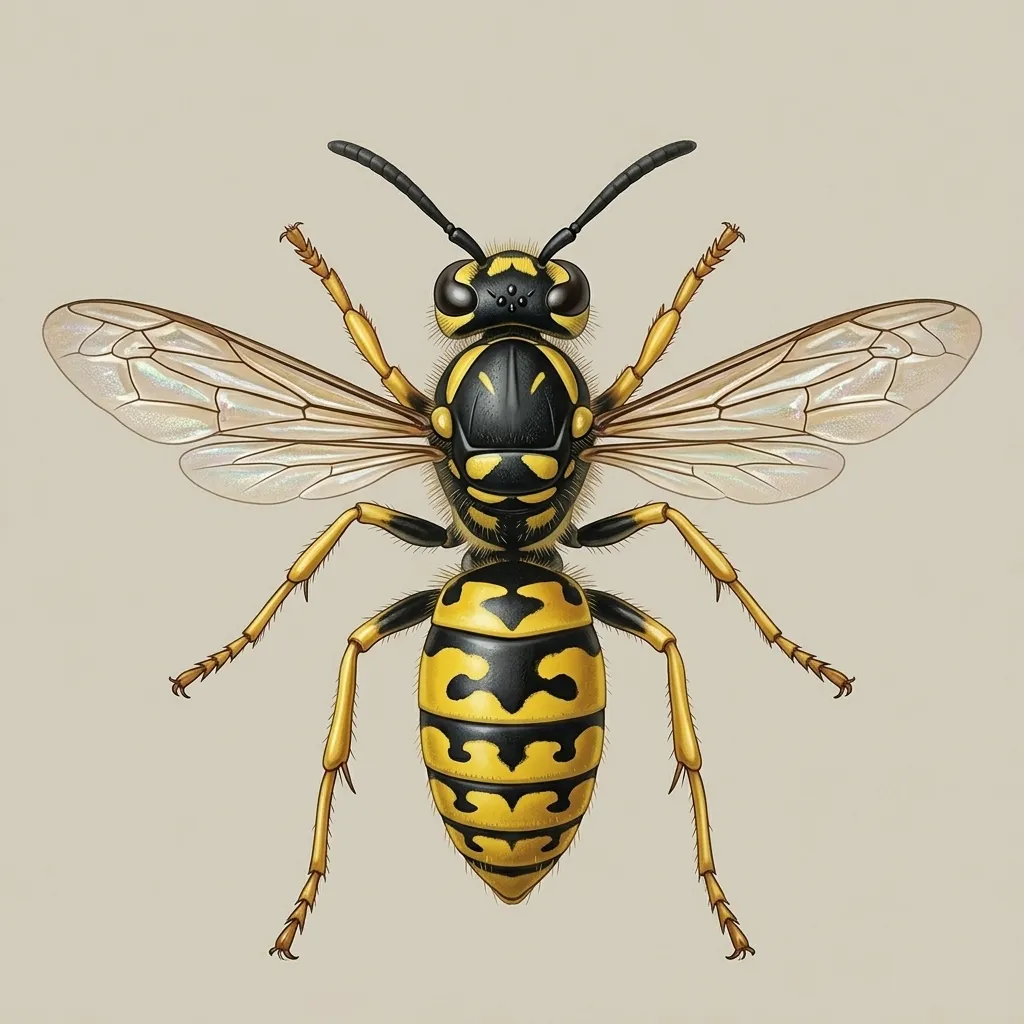
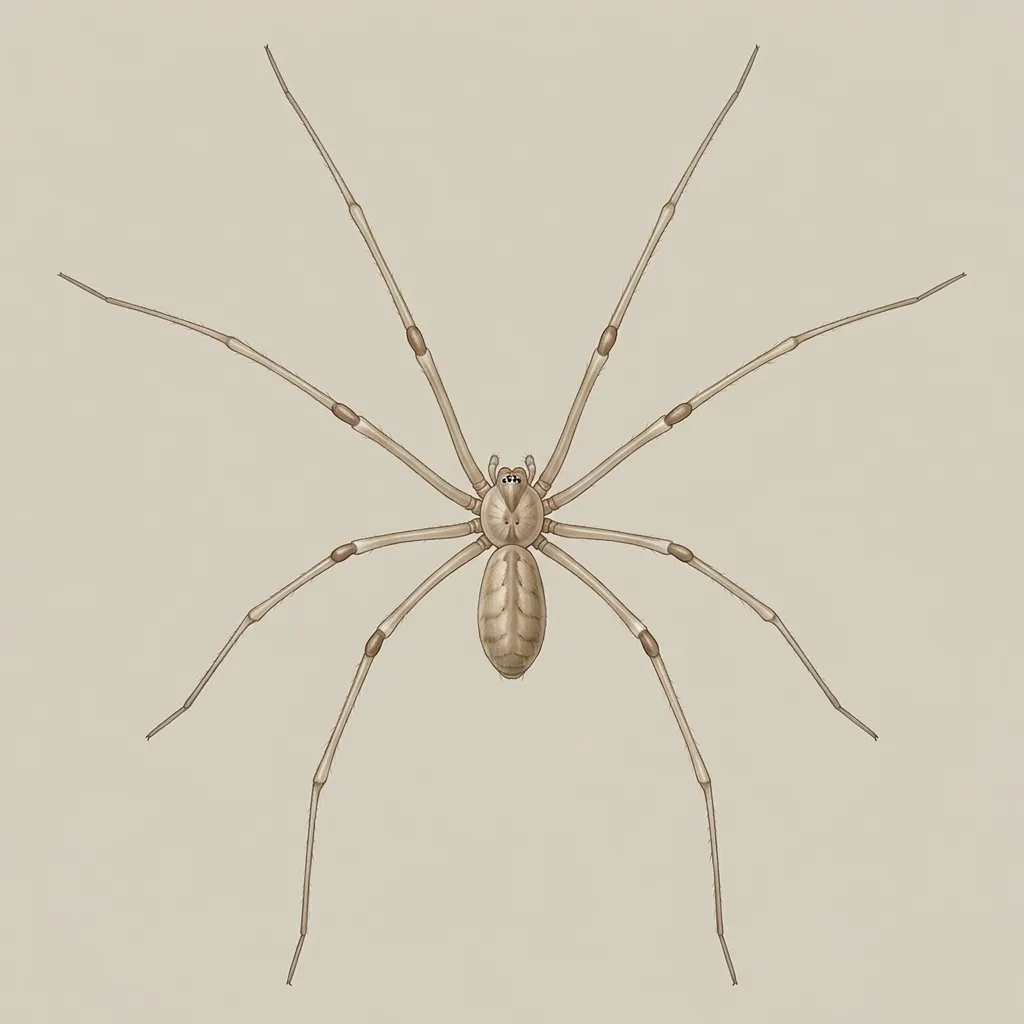
We use an extendable sweeping pole that reaches up to 30 feet to clear spiderwebs and wasp nests from your eaves. If wasps are nesting inside, a separate dusting pole treats their entry points directly, without damaging your home to reach the nest.
More on eaves and soffitsWindows
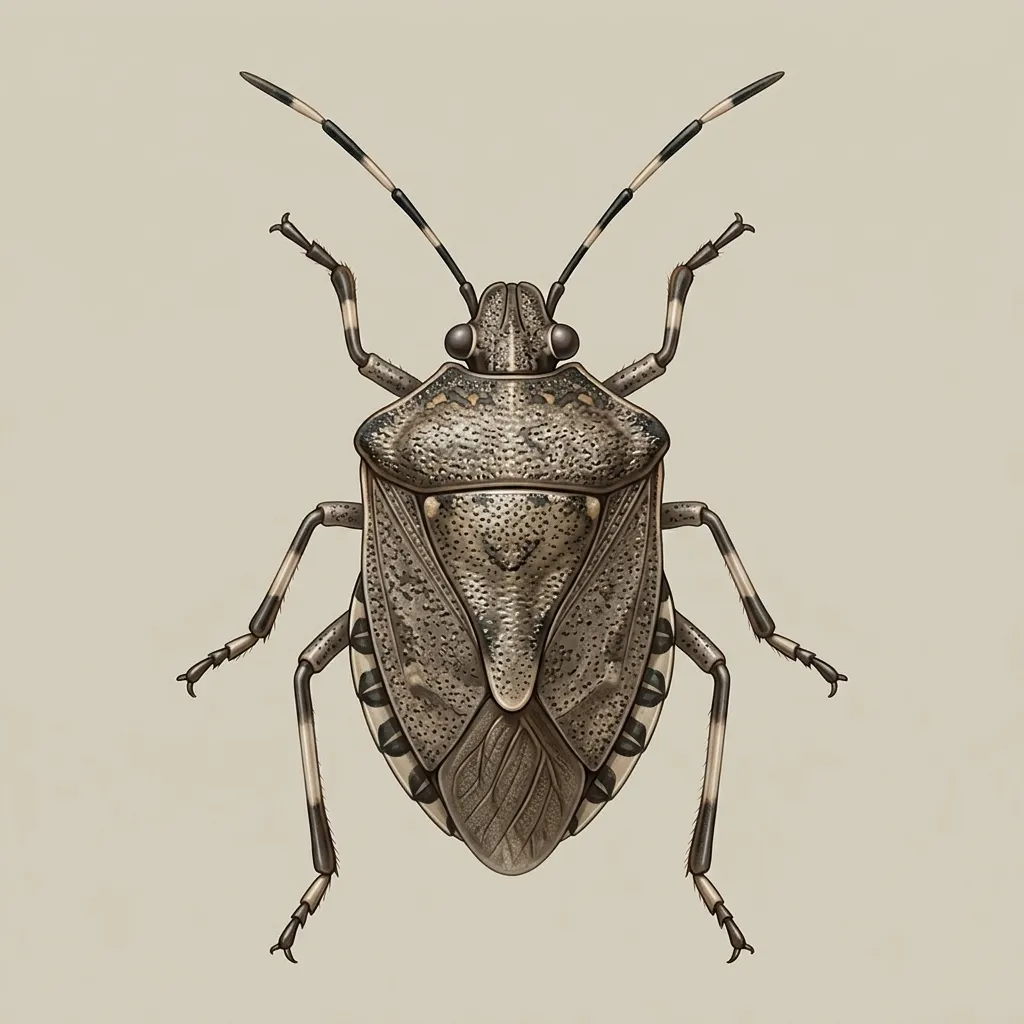
We treat the exterior of every window using a U-shaped pattern, targeting the spots where pests get in. Older windows develop small gaps and cracks, and stink bugs and Asian lady beetles use them to get indoors as temperatures drop.
More on windowsSiding
One of the most common entry points for pests and rodents is the gap where your siding meets the foundation. We treat accessible cracks and crevices along the siding and trim, and seal potential entry points.
More on sidingDoors
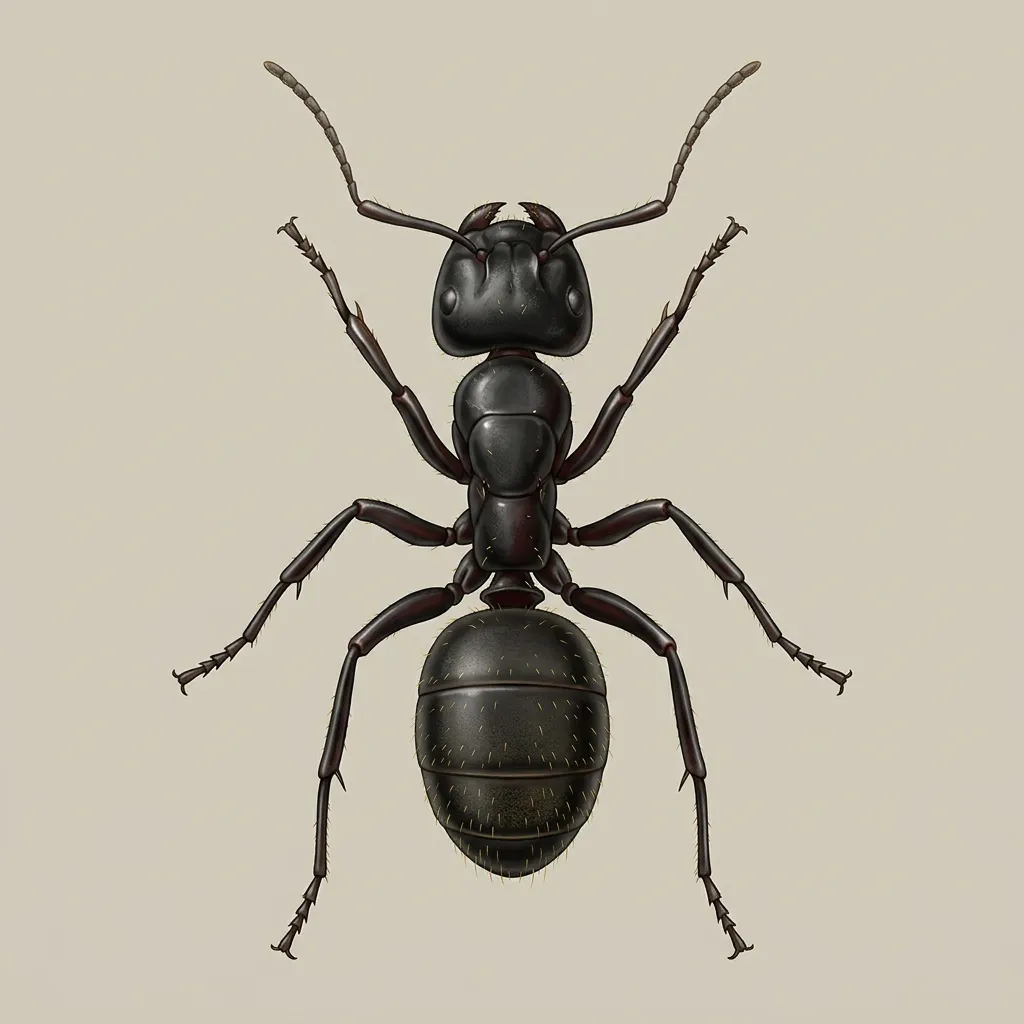
Worn weatherstripping and small gaps around doorframes let in ants, spiders and earwigs. We treat around exterior doorframes, thresholds and the cracks around them, creating a protective barrier at every door.
More on doorsGarage
Large doors, worn weatherstripping and frequent openings make garages easy to get into. We treat around garage doorframes, entry points and the foundation, and look for gaps rodents could use.
More on garageGutters
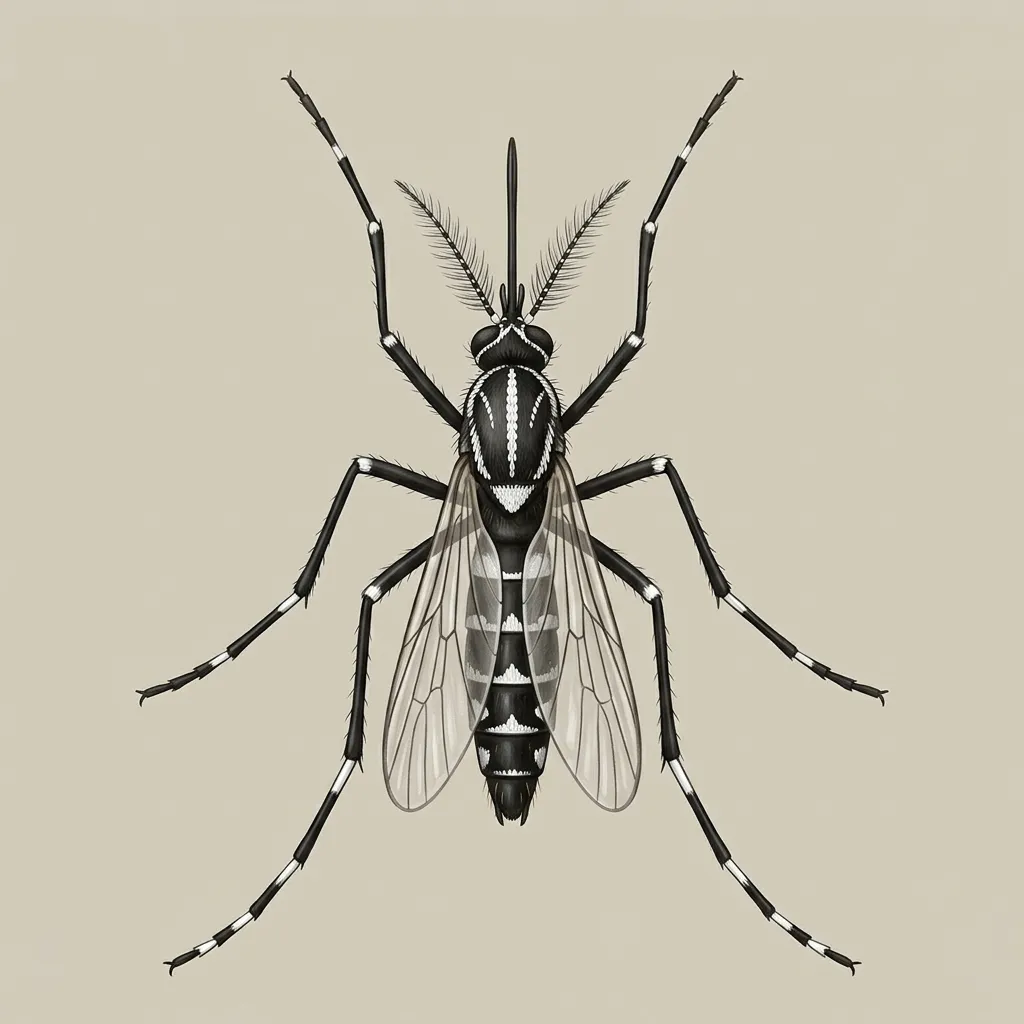
Clogged gutters can hold standing water for mosquitoes, and damp debris draws ants and earwigs. We treat accessible areas around the gutters, and if there’s heavy buildup, your service professional may recommend a cleaning.
More on guttersChimney base
Gaps where the chimney meets the house give mice an easy way in. We treat around the base of the chimney, just like the foundation, and seal rodent entry points we can reach. We don’t perform rooftop treatments.
More on chimney baseUtility and pipe openings
Mice can get through openings as small as a quarter of an inch, so gaps around pipes, wires and AC lines matter. We treat the cracks around them, and on the General Pest Quarterly Plan we seal accessible gaps too.
More on utility and pipe openingsFoundation
We apply a barrier treatment around the foundation, about three feet up the exterior walls and three feet out from the home where appropriate. On the General Pest Quarterly Plan, we also seal accessible holes to help keep mice out.
More on foundationBasement
Moisture, darkness and shelter make basements attractive to pests. When an interior treatment is needed, we treat baseboards, cracks and crevices. On the General Pest Quarterly Plan, we also set traps and seal accessible openings.
More on basementBasement bulkhead
Worn weatherstripping and shifting metal doors leave gaps that let mice, ants and spiders into the basement. We treat around the bulkhead’s frame and foundation, and on the General Pest Quarterly Plan we seal accessible openings.
More on basement bulkheadDecks and patios
Shade, moisture and gaps under boards give spiders, ants and wasps places to hide. We treat around decks, patios and support posts, and when the space under a deck is accessible, we check it for wasp nests and seal openings mice could use.
More on decks and patiosLandscaping
Shrubs touching your home act as a bridge for ants and spiders, and mulch holds moisture against the foundation. We treat around the structure, treat wasp nests in bushes and trees when they can be safely reached, and recommend keeping plants trimmed back.
More on landscapingYard and lawn
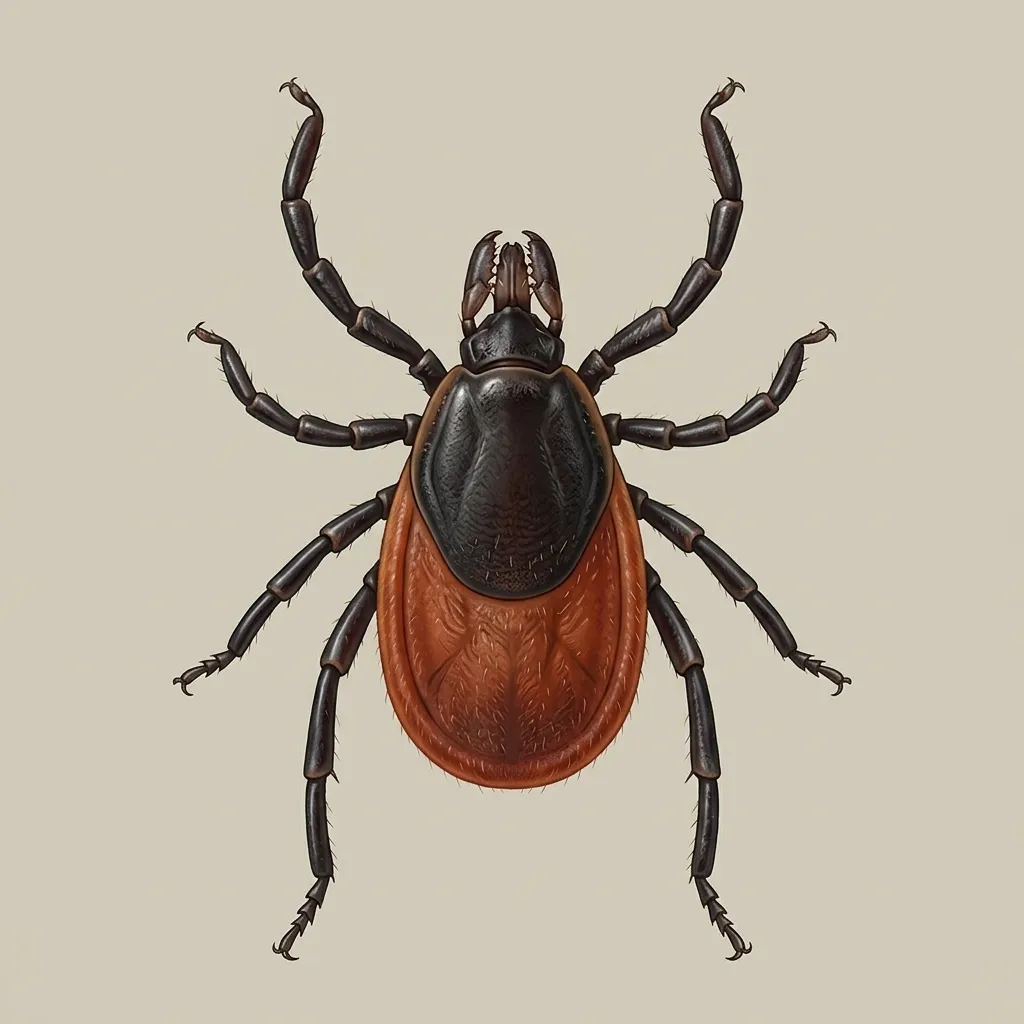
We focus on your home and its foundation rather than the whole lawn. When ant colonies or underground yellowjacket nests turn up in the yard, we treat them directly. The Tick and Mosquito Control Program targets shrubs, trees and the property line.
More on yard and lawnSheds and pool houses
Dark, undisturbed sheds suit rodents, spiders and wasps. We treat their entry points and foundations and seal openings when appropriate. Pool houses and guest houses on your plan get the same exterior protection as your main home.
More on sheds and pool houses